How to Photograph Engagements With Real Feeling
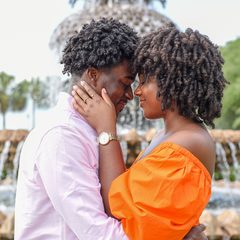
The best answer to how to photograph engagements is not a complicated posing formula. It is creating enough calm, connection, and beautiful light that a couple can forget about the camera for a few minutes. Engagement photos should feel like a real chapter of their relationship, not a long series of stiff instructions.
For couples planning a session in Charleston, that means choosing a setting that feels right, wearing clothing that moves well, and working with a photographer who knows when to guide and when to step back. For photographers, it means paying close attention to emotion as much as exposure. The ring matters. The skyline matters. But the way they look at each other after a laugh is usually the photograph they keep forever.
Start With the Couple, Not the Pose
Every engagement session should begin with a short conversation. Ask how the couple met, whether the proposal was a surprise, what they enjoy doing together, and how comfortable they feel in front of a camera. A couple who loves downtown Charleston may feel most at home walking cobblestone streets and pausing beneath historic architecture. Another may want open space, salt air, and sunset along the water.
This conversation also reveals what kind of direction they need. Some couples are naturally affectionate and only need a place to stand. Others want clear, reassuring prompts so they do not have to wonder what to do with their hands. Neither is better. The goal is to make the experience feel easy for the people in front of the lens.
Instead of beginning with a formal pose, give them a small action. Ask them to walk slowly together, lean in close, or tell each other something they are looking forward to about marriage. Movement gives hands and bodies a purpose. It also creates the tiny in-between moments that feel relaxed and genuine.
Choose Light That Flatters the Moment
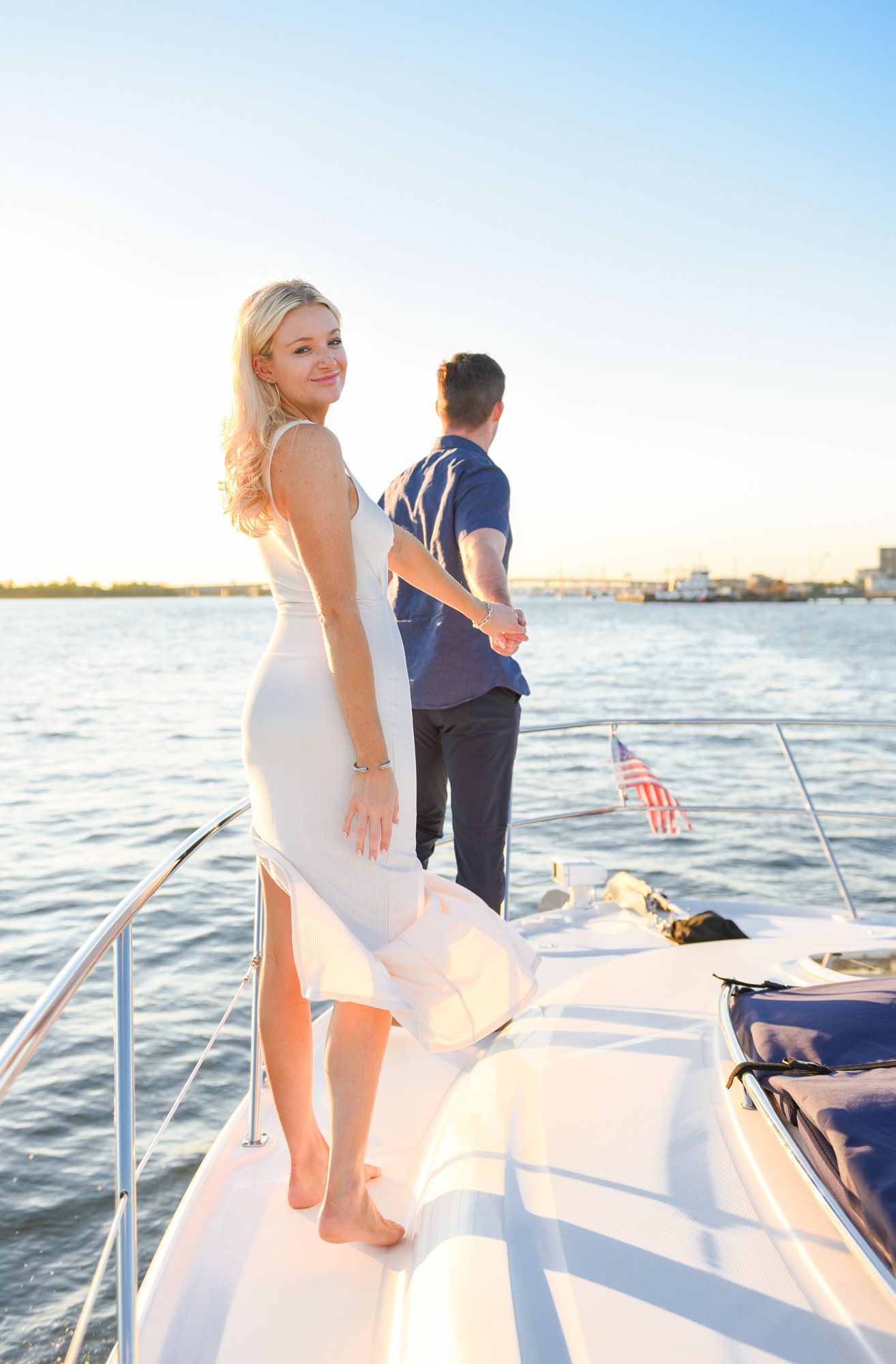
Light does more than brighten a photograph. It sets the mood. Soft, late-afternoon light is especially forgiving for engagement photos because it creates gentle skin tones, warm color, and a natural sense of romance. In Charleston, the hour before sunset can turn a waterfront path, a quiet garden, or a historic street into a beautiful backdrop without making the couple feel over-styled.
Cloudy days can be equally lovely. An overcast sky acts like a soft diffuser, reducing harsh shadows and allowing more flexibility with location. Midday sun is the trickiest option, especially in open areas. If that is the only available time, look for open shade, architectural cover, or a location where the bright sun can sit behind the couple.
Backlighting can be especially effective for an engagement session, but it requires care. Place the sun behind or just off to the side of the couple to create a soft glow around hair and clothing. Expose for their faces rather than the sky, then watch for lens flare that feels intentional rather than distracting. A little warmth is romantic. A washed-out face is not.
Use the Location as a Frame, Not a Distraction
Charleston offers more than enough visual character on its own. Iron gates, pastel facades, oak-lined paths, waterfront views, and quiet side streets can all add a sense of place. The key is not trying to use every landmark in one session.
Choose two or three nearby settings with different textures, then give the couple time to settle in at each one. A clean wall or shaded walkway may create a stronger portrait than a crowded, instantly recognizable location. Keep an eye on parked cars, busy foot traffic, bright signs, and anything that pulls attention from the couple's faces.
A location should support the story, not become the whole story. In a close portrait, their expressions should lead. In a wider image, the setting can show why they chose Charleston for this season of life.
Direct Gently So the Photos Never Feel Forced
Good direction is specific enough to reduce nerves but open enough to leave room for personality. Rather than saying, “Be natural,” offer a simple prompt: “Stand close, put your hands around each other, and take a breath.” Once they relax, ask one person to look at the other instead of the camera. Wait for the reaction.
Small adjustments make a big difference. Turn bodies slightly rather than having both people face squarely forward. Bring their heads closer together. Ask the person nearest the camera to shift weight to the back foot. These choices create flattering lines without making the couple feel posed like mannequins.
Then alternate between looking at the camera and looking at each other. Camera-facing images are valuable for announcements, holiday cards, and family members who want a clear view. The images where the couple interacts are often the ones that feel most personal. Both belong in a complete gallery.
Physical comfort matters, too. Let couples know that they do not need to hold an uncomfortable position for long. Keep the pace moving, show them a favorite image on the back of the camera if they need reassurance, and let laughter stay in the session instead of trying to control it.
Photograph the Details Without Losing the Emotion
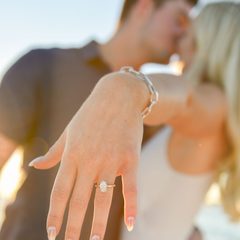
The engagement ring deserves attention, but it should not take over the session. Create a few clean detail photographs: the ring on a hand, both hands together, or a close crop while the couple holds each other. Use a wider aperture when appropriate to separate the ring from the background, while keeping enough sharpness for the stone and setting.
Details work best when they are connected to a real moment. A hand resting on a jacket lapel, fingers intertwined during a walk, or a quiet embrace can show the ring while still feeling like a photograph of two people in love. If the proposal just happened, photograph the reactions first. The ring can wait a few minutes.
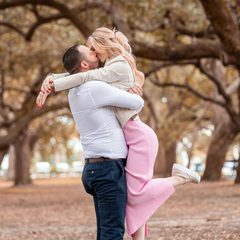
For surprise proposals, planning is everything. Confirm the exact location, walking route, and visual signal ahead of time. Arrive early, choose a position that does not make you obvious, and leave room for the proposer to have the moment without interruption. Once the answer is yes, give them a few seconds before stepping in. Their first hug, laughter, and disbelief are often the most meaningful images of the day.
Plan Outfits for Movement and Comfort
Couples do not need to dress formally for great engagement photos, but their clothing should help them feel confident. Solid colors and soft, coordinated tones photograph well in romantic outdoor settings. Avoid matching exactly. Complementary colors usually feel more natural and give each person room to show their own style.
Encourage outfits that allow walking, sitting, and standing close together. A flowing dress can add movement near the water or beneath Charleston's oak trees, while a well-fitted shirt or jacket can give structure to portraits. Shoes matter more than people expect. If the session includes cobblestones, grass, or a longer walk, comfort should come before a pair of shoes that will make the final thirty minutes miserable.
A second outfit can be useful if the session is long enough and the locations are close together. It is not necessary for every couple. One outfit that feels like them is better than two looks that create stress and take time away from photographs.
Build a Gallery, Not Just a Highlight Photo
When photographers think about how to photograph engagements, it helps to plan for variety from the start. A strong gallery includes wide images that establish the setting, medium portraits that show connection, and close photographs that capture expression and detail. Change the couple's position, background, and distance from the camera before asking them to repeat another pose.
Start with simple standing portraits while everyone gets comfortable. Move into walking and interaction, then pause for close, quiet images when the couple has settled into the session. As the light changes near sunset, return to a favorite location for a few final photographs with a warmer, more intimate feel.
This approach also gives couples useful images for different purposes. They may want a landscape photo for an announcement, a close portrait for a profile image, and a horizontal image their parents can frame. Variety is practical, but it also makes the final gallery feel like a memory of the evening instead of a set of nearly identical shots.
Keep the Experience Simple From Booking to Delivery
An engagement session should feel exciting, not like another project on a busy calendar. Clear communication before the session removes most of the stress. Confirm the meeting point, start time, weather plan, approximate walking distance, and what happens if rain changes the plan. For a proposal, communicate discreetly and keep the instructions easy to follow.
Afterward, timely delivery matters. Couples are often eager to share their news, especially after a surprise proposal or a trip to Charleston. Matt Parker Photography delivers 30-40 edited, full-resolution images within 24 hours, giving couples polished photographs while the excitement still feels fresh.
The most memorable engagement photos rarely come from a perfect pose. They come from a couple feeling seen, comfortable, and completely present with each other. Give that moment a little space, and the photographs will have everything they need.