How to Plan Proposal Portraits in Charleston
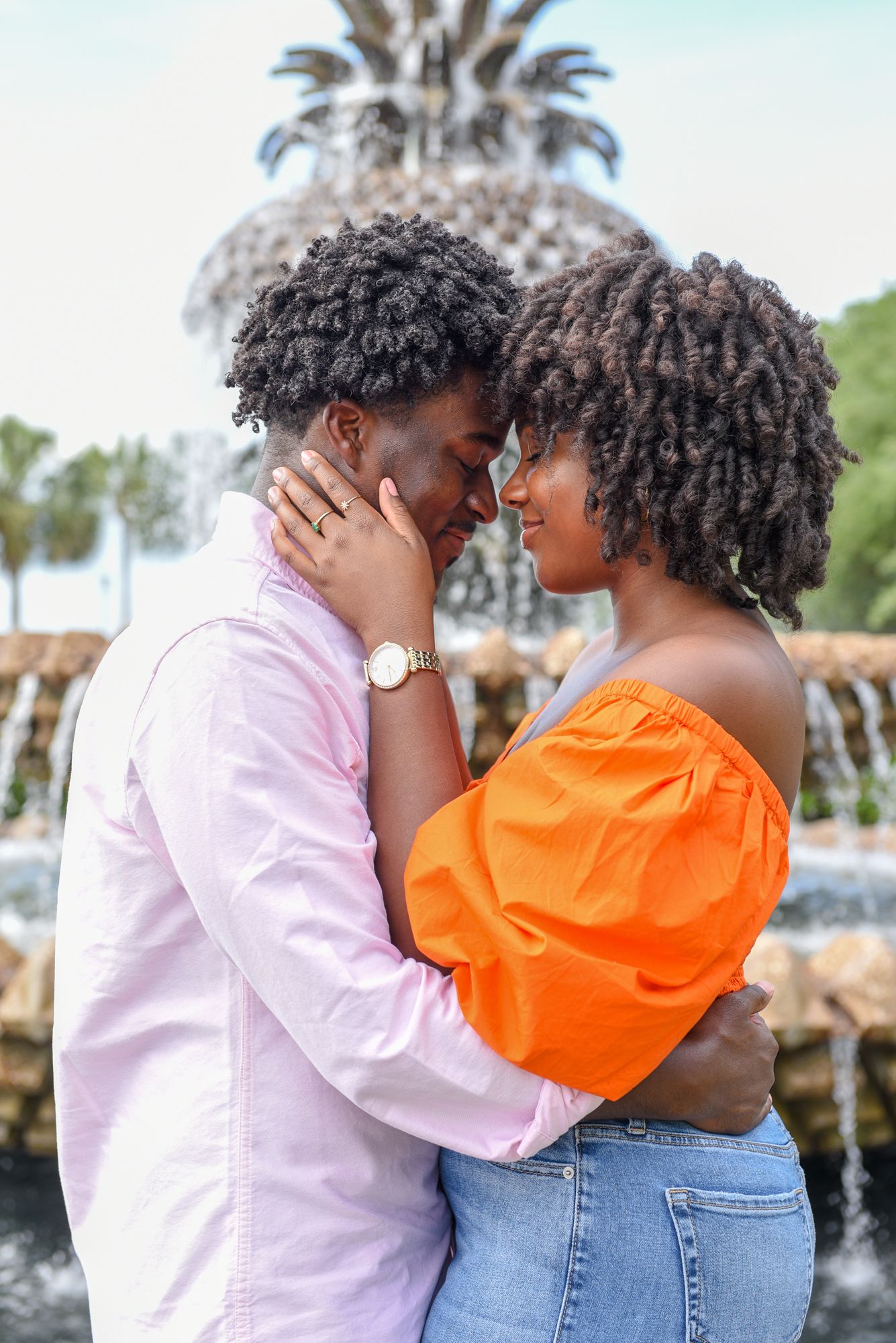
A proposal moves quickly: one walk toward a meaningful view, one deep breath, one question, and a reaction you will want to remember exactly as it happened. Learning how to plan proposal portraits means giving that moment a little structure without making it feel staged. The best plan is quiet, thoughtful, and built around the two of you.
Charleston makes that easier. Waterfront paths, historic streets, gardens, and sunset views offer a naturally romantic backdrop, but the location is only one part of the picture. Timing, communication, and a photographer who knows when to stay out of sight matter just as much.
How to Plan Proposal Portraits Without Ruining the Surprise
Start with the experience you want your partner to have, not the photo you have in mind. Do they love a big, energetic moment with people nearby, or would they feel more comfortable in a quiet corner with room to breathe? A proposal at a busy waterfront overlook can feel cinematic. A tucked-away garden can feel more personal. Neither is better. The right choice depends on your relationship and your partner's comfort level.
Once you have the feeling in mind, choose a location that supports it. A Charleston proposal can be elegant and classic near the historic district, relaxed along the water, or warm and playful on a beach at golden hour. Think about what your partner already enjoys. The place does not have to be the most famous view in the city. It should feel like somewhere they would be happy to spend a beautiful evening with you.
It also helps to consider practical details early. Is parking manageable? Will you be walking several blocks? Is the spot likely to be crowded at the time you want to propose? If your partner wears heels or will be dressed for dinner, a long walk on uneven ground may not be ideal. A simple plan is usually the strongest one.
Choose Light Before You Choose a Time
For portraits, light changes everything. The hour before sunset is often the most flattering choice because the light is soft, warm, and romantic. It also gives you a natural reason to suggest a walk, drinks, or dinner afterward.
Sunrise can be a wonderful alternative if privacy matters most. Charleston's popular spots are generally quieter early in the morning, and the light can be soft and peaceful. The trade-off is obvious: you need a believable reason to get your partner out the door early. For some couples, a morning coffee walk feels perfectly natural. For others, sunset is far easier to sell.
Midday proposals can still work, especially when travel schedules leave limited options. Look for shade, covered walkways, or a location with open breezes and a clean background. Your photographer can help you choose a spot that photographs well in the available light rather than forcing a plan around ideal conditions.
Build a Reasonable Cover Story
A surprise proposal only works if the plan feels believable. You do not need an elaborate story with too many details. In fact, complicated cover stories are where people often get nervous or accidentally give something away.
A dinner reservation, a visit to a favorite Charleston spot, a sunset walk, or a casual couples photo session are all easy reasons to dress nicely and be in the right place at the right time. If you are traveling, you can frame it as a chance to get a few photos from the trip. If you live locally, a date night or anniversary outing often feels natural.
Keep the schedule loose enough to handle traffic, parking, or a few extra minutes of conversation. Arriving 10 to 15 minutes early is much better than rushing into the moment. Your partner will notice stress, even if they do not know why you are stressed.
Plan the Photographer's Position and Signal
The most meaningful proposal portraits are candid at first. The photographer should be close enough to capture the approach, the kneel, and the reaction, but far enough away that they do not become part of the moment.
Before the day, share a current photo of both of you and describe what you will be wearing. Confirm where you will enter the location, which direction you will walk, and the exact spot where you plan to ask. A simple map screenshot or landmark description can prevent confusion, especially in a busy area.
You also need a clear signal. It can be as subtle as adjusting a jacket, pausing beside a particular bench, or standing in a preselected spot and taking your partner's hands. The signal should be something you can do naturally. Avoid relying on a last-second text if possible. You may be too nervous to check your phone, and your photographer may already be in position.
At Matt Parker Photography, proposal sessions are planned around this discreet coordination, then move naturally into relaxed engagement portraits once the question has been asked. That transition matters. Your partner will likely be glowing, the ring will be new, and you will both still be riding the excitement of the moment.
Let the Proposal Breathe
Do not rush immediately into posed photos. After the question, give yourselves a few minutes. Hug, laugh, look at the ring, and say what you came there to say. Those unscripted minutes often create the photographs couples treasure most.
Then, when you are ready, a short portrait session can capture the two of you with a little more direction. You do not need to know how to pose. A good photographer will give you easy prompts, help you find flattering light, and keep things moving so the session feels like part of the celebration rather than another obligation on the schedule.
If family or friends are part of the surprise, decide in advance whether they should be nearby, hidden close by, or waiting at a separate celebration. Having them appear right after the proposal can be incredibly emotional, but it changes the energy and takes time away from couple portraits. If photographs of the two of you are a priority, consider giving yourselves 15 to 20 minutes first.
Think Through the Details That Calm Nerves
Bring the ring, of course, but also make a few small choices that will help you stay present. Put the ring somewhere secure and easy to reach. Practice getting down on one knee if you are worried about the box catching in a pocket. Have a backup indoor or covered location in mind if rain is possible.
Charleston weather can be warm and humid for much of the year, and coastal weather can shift quickly. Choose clothing that feels polished but comfortable. Light, breathable fabrics work well in warmer months, while layers are useful in cooler weather. Avoid asking your partner to dress far outside their normal style just for photos. Confidence looks better than a perfectly coordinated outfit that feels uncomfortable.
You do not need a memorized speech, either. A few honest sentences are enough. Tell them why you love them, why this moment matters, and why you want to build a life together. If emotions take over, that is not a problem. It is the point.
Have a Backup Plan, Not a Backup Personality
Rain, crowds, construction, and late reservations happen. A flexible plan protects the experience. Your photographer can help identify an alternate nearby spot, adjust the timeline, or use a change in weather to create something intimate and memorable.
What you should not do is try to control every part of the day. The proposal may not unfold exactly like the version you pictured, but the real reaction is always better than a perfectly choreographed one. A gust of wind, a laugh when you forget a line, or happy tears before you can finish the question can become the detail you talk about for years.
Afterward, celebrate in a way that feels true to you. Make a dinner reservation, plan a champagne toast, call loved ones, or simply take a quiet walk together. With professionally edited, full-resolution images delivered quickly, you can share the news while the excitement is still fresh.
When the moment arrives, focus on your partner, not the camera. The portraits will hold the view, the ring, and the reaction, but what makes them lasting is the look you give each other when the rest of the plan falls away.