A Destination Proposal Photography Guide
A proposal away from home has a special kind of energy. You are balancing travel plans, a ring, a meaningful question, and the hope that the moment feels effortless for the person you love. The best destination proposal photography guide is not about creating a perfect performance. It is about making enough thoughtful decisions beforehand that, when the moment arrives, you can be fully present.
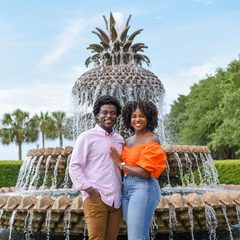
Charleston is especially made for this kind of memory: waterfront views, quiet cobblestone streets, hidden gardens, historic architecture, and golden light that makes an ordinary walk feel cinematic. But the same planning principles apply whether you are proposing in Charleston, on a beach, in the mountains, or during a weekend in a new city.
Start With the Moment, Not the Photo
Before choosing a photographer or a location, think about what will make your partner feel loved. A destination proposal should still feel like the two of you, even when the setting is extraordinary.
Some couples want a quiet, private moment with no audience. Others would be thrilled by the movement of a lively city square, a dramatic overlook, or a sunset beach. Think about the places your partner naturally gravitates toward. Do they love dressing up for dinner? Plan a proposal before a reservation. Do they prefer slow mornings and coffee walks? A peaceful sunrise may feel far more personal than a crowded evening scene.
The photos matter, but the experience comes first. When the setting, timing, and plan fit your relationship, the photographs will carry that feeling long after the trip is over.
Choose a Location With More Than One Good Angle
A beautiful location is only the starting point. For proposal photography, the best spot also gives your photographer room to work discreetly and offers a few nearby backdrops for portraits after the question is asked.
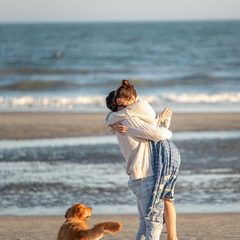
In Charleston, that might mean choosing a waterfront location with open sky, then walking a few minutes to colorful buildings or a quieter street for engagement photos. A garden can be romantic, but it may have strict entry times, limited access, or heavy foot traffic. A beach offers a relaxed, open setting, but wind, tide, and bright midday sun can change the look of the photos quickly.
When narrowing down a location, consider these practical details:
- Is it easy to reach without looking like you are following a complicated plan?
- Will it be busy at the time you want to propose?
- Is there a nearby place for portraits once the surprise is over?
- Are permits, admission tickets, or reservations required?
- What happens if it rains or the area is unexpectedly closed?
A local proposal photographer can help you weigh these details. The most photographed location is not always the best one for your particular moment.
Privacy Versus Atmosphere
There is a trade-off between privacy and visual energy. A secluded spot often gives you space to slow down and speak freely, while a popular landmark can make the moment feel exciting and unmistakably tied to your trip.
Neither choice is better. If your partner dislikes attention, prioritize calm and privacy. If they will love the cheers of strangers or the feeling of being in the center of a beautiful destination, choose a place with more life around it. The right answer is the one that lets them react honestly.
Plan the Light Around Your Schedule
Travel itineraries tend to be full, and it is tempting to fit the proposal into whatever gap is open. Light is worth protecting, especially if photos are a priority.
The hour or two before sunset is popular for a reason. The light is soft, warm, and flattering, and it creates a romantic atmosphere without requiring an elaborate setup. Sunrise can be equally beautiful, with fewer people around and a quieter feel. It works particularly well for beaches, parks, and popular destinations that become crowded later in the day.
Midday proposals can still be wonderful, especially in shaded gardens, beneath tree cover, or in areas with tall buildings that soften direct sun. Just expect brighter highlights, more squinting, and a little less flexibility in open spaces. If your plans only allow a midday proposal, choose the location thoughtfully rather than stressing over conditions you cannot change.
Build in extra time before the proposal. Traffic, rideshares, hotel elevators, parking, and a partner who needs a few more minutes to get ready can all shift the schedule. Arriving 15 to 20 minutes early gives you room to breathe and allows your photographer to get in position without rushing.
Coordinate With Your Photographer Quietly
A surprise proposal needs a simple communication plan. Too many moving parts can make you feel more nervous, not less.
Share a recent photo of both of you, what you will be wearing, the exact location, and a clear target time. If you will be walking to the proposal spot, identify a landmark where the photographer can recognize you. A description such as “I will be in a navy shirt and she will have a white sundress” is more useful than hoping everyone finds each other in a busy park.
A brief text when you are on the way is usually enough. From there, trust your photographer to handle the visual side. An experienced proposal photographer knows how to blend into the area, when to begin shooting, and how to give you space immediately after the question.
It also helps to decide on a simple signal. You might pause at a certain bench, hand your partner a note, or say you want a photo together at a particular view. The signal should feel natural. If you have to act unlike yourself to make the plan work, your partner may sense something is up.
Think Through the Ring and the Reveal
Keep the ring secure and easy to access. A jacket pocket, a zipped pocket, or a small ring box designed to sit flat can be more comfortable than a bulky box in fitted pants. Check the pocket before leaving the hotel. Then check it once more.
When the moment comes, do not worry about delivering a flawless speech. A few honest sentences will mean more than a memorized monologue. Tell them why you love them, what you are excited to build together, and ask the question. Pause. Let the reaction happen.
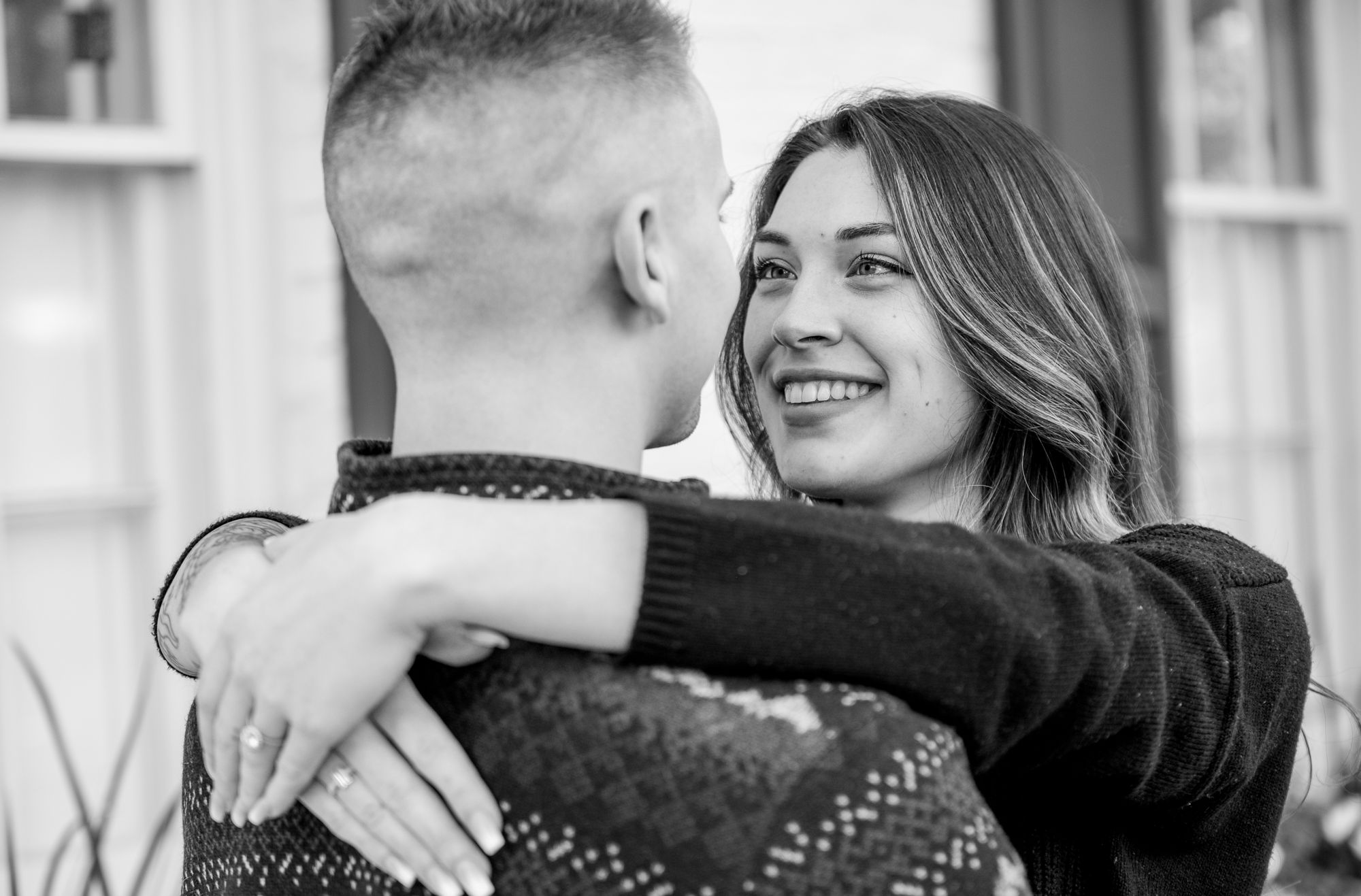
After the yes, take a minute together before moving into portraits. Look at the ring, hug, laugh, cry, or simply catch your breath. Those unscripted seconds often become the images couples return to most.
Dress for the Setting, Not a Costume
A little planning goes a long way in photos. Choose outfits that feel polished but comfortable enough to walk, hug, kneel, and explore afterward. Solid colors and subtle patterns usually photograph beautifully, while logos and very busy prints can pull attention away from your faces.
If your partner would be disappointed not to be dressed up, give them a believable reason to wear something special. A dinner reservation, a cocktail bar, a walking tour, or a planned couples photo session can all make sense. Avoid inventing an elaborate story that makes the day feel overly managed. Simple is easier to remember and easier to enjoy.
Have a Weather Plan Before You Need One
Destination weather can be unpredictable. Charleston humidity, coastal wind, summer afternoon storms, and occasional rain are all part of the experience. Other destinations bring their own variables, from fog to snow to sudden temperature changes.
A backup plan does not make the proposal less romantic. It protects it. Choose an alternate covered location, a different time window, or a nearby spot that still feels meaningful in softer weather. Many of the most emotional proposal photos happen in imperfect conditions because the couple is focused on each other rather than the forecast.
Talk with your photographer about what they recommend if rain is likely. A light drizzle may be manageable, while lightning, heavy wind, or a soaked location may call for a quick adjustment. Flexibility is valuable, but safety and comfort come first.
Leave Time for Engagement Photos Afterward
The proposal itself moves quickly. The portraits afterward are your chance to enjoy the destination as newly engaged people, with the pressure gone and the excitement still fresh.
Plan for at least 20 to 30 minutes after the proposal if you want a variety of images. You can walk to a second location, take in the scenery, and get photos that feel both candid and intentional. This is also when you can capture the ring, the celebratory hug, and those first just-engaged smiles.
For couples proposing in Charleston, Matt Parker Photography offers proposal and engagement sessions designed around these moments, with edited full-resolution images delivered within 24 hours. Fast delivery is especially helpful when you are traveling and want to share the news with family or post a favorite image while the trip is still happening.
A destination proposal does not need a flawless script, a crowd, or an elaborate setup to be unforgettable. Choose a place that means something, make a plan that gives you room to be present, and let the person you love be surprised by how well you know their heart.